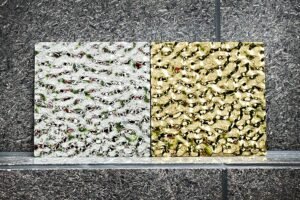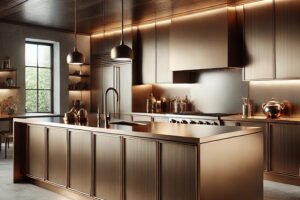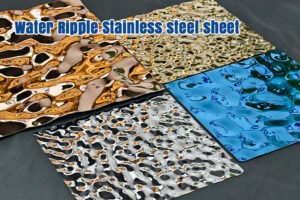
Decorative stainless steel sheets have become an important material choice for modern architectural and interior design projects. Architects, interior designers, contractors, fabricators, and building material distributors increasingly use stainless steel not only because of its strength and corrosion resistance, but also because of the wide variety of colors, textures, patterns, and surface finishes available today.
From luxury hotel lobbies and elevator interiors to commercial ceilings, feature walls, retail stores, restaurants, offices, and high-end residential interiors, decorative stainless steel can provide a distinctive combination of durability and visual impact.
However, choosing the right decorative stainless steel sheet is not simply a matter of selecting a color or pattern. The material needs to match the project’s environment, application, fabrication requirements, design concept, and budget.
This guide explains the most important factors to consider when selecting decorative stainless steel sheets for architectural projects.
What Are Decorative Stainless Steel Sheets?
Decorative stainless steel sheets are stainless steel panels that have been processed using different surface finishing, coloring, texturing, polishing, embossing, etching, or pattern-forming techniques.
Unlike conventional stainless steel sheets used primarily for structural or industrial purposes, decorative stainless steel focuses on both material performance and visual appearance.
Common decorative finishes include:
- Mirror stainless steel
- Brushed stainless steel
- Hairline stainless steel
- Vibration stainless steel
- Etched stainless steel
- Embossed stainless steel
- Water ripple stainless steel
- PVD colored stainless steel
- Antique stainless steel
- Sandblasted stainless steel
- Custom textured stainless steel
This wide range of options allows stainless steel to be used as an architectural design material rather than simply a functional metal.
For projects requiring a strong decorative effect, designers can combine different surface textures with PVD colors to create customized architectural panels.
1. Consider the Application First
Before selecting a decorative stainless steel finish, determine where the material will be used.
The requirements for an elevator interior are different from those for a decorative ceiling, feature wall, or outdoor façade.
Decorative Wall Panels
Stainless steel decorative wall panels are widely used in:
- Hotel lobbies
- Office buildings
- Shopping malls
- Restaurants
- Retail stores
- Reception areas
- Luxury residences
- Exhibition halls
For wall applications, designers can choose from relatively subtle finishes such as brushed stainless steel or more visually distinctive surfaces such as etched, embossed, PVD, or water ripple stainless steel.
A reflective surface can make an interior appear brighter and more spacious, while a textured surface can add depth and architectural character.
For projects requiring multiple decorative finishes, explore the range of Building Decorative Stainless Steel Sheets available for architectural applications.
Decorative Ceilings
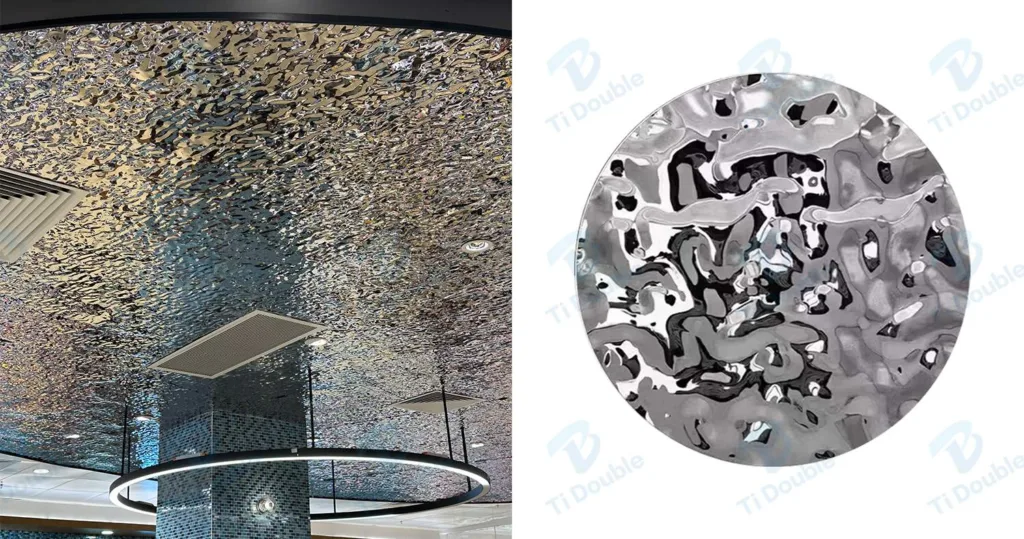
Ceilings are one of the most interesting applications for textured stainless steel.
Unlike a conventional flat metal ceiling, a patterned stainless steel ceiling can interact with architectural lighting to create changing reflections and visual movement.
Water Ripple Stainless Steel Sheets are particularly suitable for this type of application.
The irregular wave-like surface reflects light from different angles, creating a flowing appearance that can be especially effective in:
- Hotel lobbies
- Shopping mall ceilings
- Restaurant interiors
- Luxury retail stores
- Reception areas
- Entertainment venues
- Feature ceilings
Water ripple patterns can also be produced in different visual styles, allowing designers to select a pattern according to the scale and atmosphere of the project.
Elevator Interiors
Elevator cabins experience frequent contact and require materials that are both visually attractive and durable.
Common choices include:
- Brushed stainless steel
- Mirror stainless steel
- PVD stainless steel
- Etched stainless steel
- Vibration stainless steel
PVD stainless steel is particularly popular for luxury elevator interiors because it can provide colors such as gold, bronze, champagne, rose gold, black, and other customized metallic tones.
Explore PVD Stainless Steel Sheets for architectural projects requiring colored stainless steel surfaces.

Furniture and Interior Features
Decorative stainless steel can also be fabricated into:
- Reception counters
- Furniture panels
- Table surfaces
- Cabinet panels
- Decorative columns
- Bar counters
- Display fixtures
- Architectural partitions
In these applications, surface finish and fabrication requirements should be considered together.
A supplier should understand whether the sheet needs to be cut, bent, welded, folded, or laser processed before recommending the final material specification.
2. Select the Correct Stainless Steel Grade
Material grade affects corrosion resistance, performance, fabrication, and project cost.
The most commonly considered grades for decorative architectural applications include 201, 304, and 316L stainless steel.
201 Stainless Steel
201 stainless steel can be considered for certain indoor decorative applications where the environment has relatively low corrosion exposure.
It can provide a cost-effective option for projects where the material is primarily used for interior decoration.
However, the environmental conditions should always be evaluated before selecting 201 stainless steel.
304 Stainless Steel
304 stainless steel is one of the most widely used grades for architectural and interior applications.
It offers a practical balance of:
- Corrosion resistance
- Strength
- Formability
- Surface quality
- Availability
- Cost
For many indoor commercial and architectural projects, 304 stainless steel is a reliable choice.
316L Stainless Steel
316L stainless steel provides higher corrosion resistance and can be considered for more demanding environments.
It may be suitable for:
- Coastal projects
- High-humidity environments
- Certain exterior applications
- Projects exposed to corrosive conditions
Material grade should always be selected based on the actual project environment rather than simply choosing the highest grade available.
3. Choose the Right Decorative Surface Finish
Surface finish has a major influence on the final appearance of an architectural project.
Two stainless steel sheets with the same grade and thickness can look completely different because of their surface treatment.
Mirror Stainless Steel
Mirror stainless steel has a highly reflective surface that can create a bright and luxurious appearance.
It is often used for:
- Elevator interiors
- Hotel decoration
- Retail interiors
- Feature walls
- Furniture
- Decorative columns
Mirror finishes can also visually expand smaller spaces by reflecting surrounding light and architectural elements.
Brushed and Hairline Stainless Steel
Brushed stainless steel features directional lines across the surface.
It provides a modern and relatively understated metallic appearance and is frequently used in commercial interiors, elevators, furniture, kitchen applications, and architectural panels.
Hairline finishes are particularly useful when a project requires a sophisticated metallic appearance without the strong reflection of a mirror finish.
Vibration Stainless Steel
Vibration stainless steel has a multidirectional surface texture.
Compared with a conventional brushed finish, vibration surfaces create a more complex visual appearance and can help reduce the visibility of minor fingerprints and surface marks.
It can be suitable for high-traffic architectural environments where both aesthetics and practicality are important.
Embossed Stainless Steel
Embossed stainless steel uses raised or recessed patterns to create a three-dimensional surface.
Depending on the pattern, embossed sheets can create geometric, organic, industrial, or luxury visual effects.
For projects requiring dimensional textures, designers can explore Embossed Stainless Steel Sheets for different architectural applications.
4. Consider PVD Colored Stainless Steel
One of the major advantages of modern decorative stainless steel is the ability to combine surface finishes with PVD colors.
Physical Vapor Deposition, commonly known as PVD, is used to produce decorative metallic colors on stainless steel surfaces.
Common architectural PVD colors include:
- Gold
- Champagne
- Rose gold
- Bronze
- Copper
- Black
- Blue
- Coffee
- Dark grey
The final appearance depends not only on the PVD color but also on the underlying surface.
For example:
Brushed + Gold PVD
Creates an elegant metallic appearance with directional texture.
Mirror + Rose Gold PVD
Produces a highly reflective luxury surface.
Water Ripple + Champagne PVD
Combines three-dimensional texture with warm metallic color.
Vibration + Bronze PVD
Provides a sophisticated contemporary appearance.
This flexibility makes PVD stainless steel particularly attractive for hospitality, retail, commercial, and luxury residential projects.
5. Water Ripple Stainless Steel for Feature Architecture
Water ripple stainless steel deserves special attention because it can transform an ordinary architectural surface into a visual focal point.
The surface contains irregular or flowing patterns that resemble ripples on water.
When lighting hits the surface, the different angles of the texture create changing reflections.
This can produce a dynamic effect that changes depending on the viewer’s position and lighting conditions.
Common Water Ripple Applications
Water ripple stainless steel can be used for:
- Feature ceilings
- Lobby walls
- Elevator interiors
- Reception backgrounds
- Retail displays
- Restaurant decoration
- Hotel interiors
- Decorative columns
- Commercial feature walls
For example, a large ceiling finished with water ripple stainless steel can reflect architectural lighting across the surface, creating a sense of movement without requiring complex mechanical decoration.
For detailed product specifications and available patterns, visit the Water Ripple Stainless Steel Sheet product page.
6. Think About Color Consistency
Color consistency becomes increasingly important as the project size increases.
A small sample may look excellent, but a large architectural project can involve dozens or hundreds of sheets.
The supplier needs to maintain consistency across:
- PVD color
- Surface texture
- Pattern
- Gloss level
- Stainless steel grade
- Thickness
- Sheet size
For customized colors, buyers should approve a physical sample before mass production.
This is particularly important for bronze, copper, champagne, rose gold, and other colors where slight differences can become visible when multiple panels are installed next to each other.
7. Select the Correct Sheet Thickness
Decorative stainless steel sheets are available in different thicknesses.
The correct thickness depends on:
- Application
- Panel construction
- Installation method
- Fabrication requirements
- Support structure
- Required rigidity
- Project specifications
For example, a decorative wall panel may have different requirements from a fabricated countertop, elevator panel, or ceiling system.
Instead of selecting thickness only according to price, buyers should discuss the complete application with the supplier.
8. Choose Sheet Dimensions Carefully
Common stainless steel sheet sizes include:
- 1000 × 2000 mm
- 1219 × 2438 mm
- 1219 × 3048 mm
- 1500 × 3000 mm
Custom sizes may also be available depending on production capabilities.
Correct sheet dimensions can reduce:
- Cutting waste
- Material consumption
- Fabrication time
- Installation joints
For large commercial projects, it is useful to provide the supplier with drawings or a cutting list before production.
This allows the manufacturer to evaluate the most efficient sheet dimensions and reduce unnecessary material waste.
9. Consider Fabrication Before Ordering
Decorative stainless steel is often only one part of a larger fabrication process.
The sheets may need to be:
- Laser cut
- CNC cut
- Bent
- Folded
- Welded
- Drilled
- Polished
- Fabricated into finished panels
The fabrication process should be discussed before production because different finishes may require different handling methods.
Highly reflective mirror and PVD surfaces, for example, need careful protection during fabrication and installation.
If the project requires complex processing, provide drawings to the supplier so that the manufacturer can evaluate the fabrication requirements before quoting.
10. Surface Protection and Packaging
Decorative surfaces can be more sensitive to handling damage than ordinary industrial stainless steel.
Protective film is commonly used to reduce the risk of scratches and contamination during:
- Production
- Cutting
- Fabrication
- Transportation
- Installation
Proper packaging is equally important for international projects.
Export orders may require reinforced packaging, protective materials, and suitable wooden crates to reduce the risk of damage during long-distance transportation.
11. Request Samples Before Bulk Production
A physical sample is one of the most useful tools for architectural material selection.
Before approving a large order, project teams should check:
- Color
- Texture
- Pattern
- Gloss
- Reflection
- Thickness
- Surface quality
- Compatibility with lighting
- Overall appearance
This is especially important when ordering custom PVD colors or textured stainless steel.
A digital image cannot always reproduce the exact appearance of a metallic surface.
For this reason, sample approval should be part of the material selection process for important architectural projects.
12. Consider Antique and Specialty Finishes
Not every architectural project requires a bright modern metallic appearance.
Some projects call for a warmer, historical, industrial, or vintage atmosphere.
Antique stainless steel finishes can provide colors and textures inspired by aged copper, bronze, brass, and other traditional metals.
These finishes can be particularly suitable for:
- Luxury hotels
- Restaurants
- Heritage-inspired interiors
- Boutique retail stores
- High-end residential projects
- Decorative feature walls
For projects requiring a warmer metallic appearance, explore Antique Stainless Steel Decorative Sheets.
13. Compare Appearance With Long-Term Performance
A decorative material should not be selected based solely on its appearance.
Architects and contractors should also consider:
Durability
Will the surface maintain its appearance under normal use?
Corrosion Resistance
Is the selected stainless steel grade suitable for the installation environment?
Maintenance
Can the surface be cleaned easily?
Fabrication
Can the material be cut, bent, or installed according to project requirements?
Replacement
Can additional matching material be produced later if a panel is damaged?
Consistency
Can the supplier maintain the same finish across the entire order?
A professional decorative stainless steel supplier should be able to discuss these factors before production.
14. Why Stainless Steel Is Popular for Architectural Decoration

Stainless steel continues to be widely used because it combines several important properties in one material.
Long Service Life
With appropriate material selection and maintenance, stainless steel can provide long-term service in many architectural environments.
Design Flexibility
Different polishing, texturing, coloring, embossing, and patterning techniques create a large range of decorative possibilities.
Modern Appearance
Metallic surfaces can complement contemporary architecture and interior design.
Easy Integration
Stainless steel panels can be fabricated into walls, ceilings, elevator cabins, furniture, counters, partitions, and other architectural components.
Customization
Colors, patterns, sizes, thicknesses, and finishes can often be customized according to project requirements.
15. What Should You Tell a Stainless Steel Supplier?
When requesting a quotation, providing complete information can significantly improve the accuracy and speed of the supplier’s response.
A project inquiry should ideally include:
Product: Decorative stainless steel sheet
Grade: 201 / 304 / 316L / other
Thickness: Required thickness
Size: Width × length
Surface: Mirror / brushed / vibration / embossed / water ripple / etc.
Color: Natural / gold / bronze / champagne / black / custom
Quantity: Number of sheets or total square meters
Application: Wall / ceiling / elevator / furniture / façade / other
Fabrication: Cutting, bending, welding, laser cutting, etc.
Destination: Country and city
Packaging: Standard or project-specific packaging
The more information provided, the easier it is for a manufacturer to recommend the appropriate specification and provide an accurate quotation.
Decorative Stainless Steel for Different Architectural Styles
Different finishes can support different design concepts.
Modern Minimalist
Brushed, hairline, vibration, and black PVD stainless steel can complement minimalist interiors.
Luxury
Gold, champagne, rose gold, bronze PVD, and mirror stainless steel can create a more luxurious atmosphere.
Industrial
Dark grey, black, embossed, and textured stainless steel can work well in industrial-style interiors.
Natural and Organic
Water ripple and flowing textures can introduce movement and softer visual elements into architectural spaces.
Classic and Vintage
Antique copper, antique bronze, and antique brass-inspired finishes can provide a traditional or heritage-inspired appearance.
Frequently Asked Questions
What decorative stainless steel finish is best for architectural projects?
There is no single best finish for every project. Mirror is suitable for highly reflective applications, brushed and hairline finishes provide a modern appearance, PVD offers color customization, embossed surfaces add texture, and water ripple finishes create a strong three-dimensional visual effect.
Is PVD stainless steel suitable for interior architecture?
Yes. PVD stainless steel is widely considered for decorative interior applications such as elevator interiors, feature walls, ceilings, hotel decoration, retail stores, and furniture.
You can view the available PVD Stainless Steel Sheet options for different architectural applications.
Are water ripple stainless steel sheets suitable for ceilings?
Yes. Water ripple stainless steel is especially attractive for decorative ceilings because its three-dimensional texture can create changing reflections when combined with architectural lighting.
See the Water Ripple Stainless Steel Sheet collection for product details.
Can stainless steel decorative sheets be customized?
Depending on the manufacturer and project requirements, customization may include stainless steel grade, thickness, sheet size, surface finish, PVD color, texture, embossing pattern, and other processing requirements.
Should I request a sample before placing a bulk order?
Yes. Sample approval is strongly recommended for architectural projects, particularly when the project involves customized colors, PVD finishes, water ripple patterns, or other decorative textures.
Which stainless steel grade is suitable for coastal projects?
304 stainless steel is widely used in many applications, while 316L may be considered when higher corrosion resistance is required. The final selection should be based on the actual environmental conditions and project specifications.
Final Thoughts
Choosing decorative stainless steel sheets for an architectural project requires a balance between design, performance, fabrication, and cost.
The right material should not only look attractive but should also match the project’s environment, installation method, fabrication requirements, and long-term expectations.
From Water Ripple Stainless Steel Sheets and PVD Stainless Steel Sheets to embossed, vibration, antique, mirror, and other decorative surfaces, stainless steel offers architects and designers a broad range of possibilities.
For large commercial and architectural projects, working with an experienced decorative stainless steel supplier can also simplify material selection, customization, sample approval, production, quality control, and international delivery.
Whether the project requires a subtle brushed finish or a highly distinctive PVD-colored water ripple surface, the right decorative stainless steel specification can turn a functional metal panel into an important part of the architectural design.